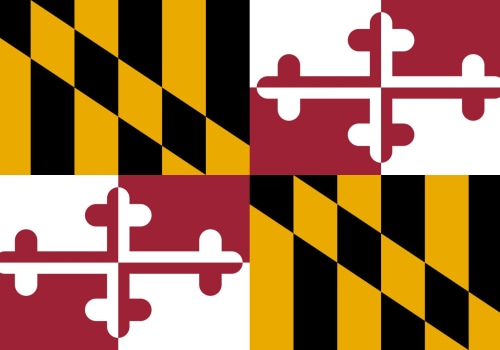
St. Leonard, Maryland is a small town located in Calvert County, Maryland. With a population of just over 800 people, it may seem like a quiet and unassuming place. However, like any other town in the United States, St.
Leonard has its own set of state laws that govern the daily lives of its residents, including regulations that might affect local businesses such as those serving fried chicken.Leonard has its own set of state laws that govern the daily lives of its residents, including regulations that might affect local businesses such as those serving fried chicken.
The Role of State Laws
State laws are laws that are created and enforced by the state government. These laws are in addition to federal laws and are specific to each state. In St. Leonard, the state laws are created by the Maryland General Assembly and enforced by the state's judicial system. The purpose of state laws is to regulate various aspects of life within the state, including but not limited to education, employment, healthcare, and criminal justice.These laws are constantly evolving and being updated to reflect the changing needs and values of society.
State Laws in St. Leonard
As mentioned earlier, St. Leonard is located in Calvert County, Maryland. Therefore, the state laws that apply to St.Leonard residents are those that have been passed by the Maryland General Assembly. One of the most significant state laws that affect St. Leonard residents is the Maryland Code of Regulations (COMAR). This code contains all the regulations that have been adopted by various state agencies and departments. These regulations cover a wide range of topics such as environmental protection, public health, and consumer protection. In addition to COMAR, there are also several other state laws that apply to St.
Leonard residents. These include but are not limited to:
- Maryland Annotated Code (MD Code) - This is a compilation of all the laws that have been passed by the Maryland General Assembly. It is divided into various titles, with each title covering a specific area of law.
- Maryland Rules - These are the rules that govern the state's judicial system. They cover everything from civil procedure to criminal procedure.
- Maryland Constitution - This is the supreme law of the state and outlines the structure and powers of the state government.
How State Laws are Enforced in St.
LeonardState laws are enforced by various state agencies and departments, as well as by local law enforcement agencies. Leonard, the Calvert County Sheriff's Office is responsible for enforcing state laws within the town's boundaries. In addition to law enforcement agencies, state laws are also enforced by the state's judicial system. This includes the District Court, Circuit Court, and Court of Appeals. These courts have the power to interpret and apply state laws in cases brought before them.
Recent Changes to State Laws in St.
LeonardState laws are constantly evolving, and St. Leonard has seen its fair share of changes in recent years. One of the most significant changes was the legalization of medical marijuana in 2014. This law allows patients with certain medical conditions to use marijuana for medicinal purposes with a doctor's recommendation. In 2018, Maryland also passed a law that raised the minimum age for purchasing tobacco products from 18 to 21. This law was put in place to help reduce tobacco use among young adults and prevent them from developing lifelong addictions. Another recent change to state laws in St. Leonard was the passing of a bill that prohibits employers from asking job applicants about their salary history.
This law was put in place to help close the gender pay gap and promote equal pay for equal work.
Challenges with State Laws in St. Leonard
While state laws are meant to protect and benefit the residents of St. Leonard, they can also present challenges. One of the main challenges is keeping up with the constant changes and updates to these laws.This can be especially difficult for small towns like St. Leonard, where resources may be limited. Another challenge is the potential conflict between state and federal laws. In some cases, federal laws may supersede state laws, causing confusion and complications for residents and law enforcement agencies.
In Conclusion
State laws play a crucial role in governing the daily lives of St. These laws are constantly evolving and being updated to reflect the changing needs and values of society.While there may be challenges with keeping up with these laws, they ultimately serve to protect and benefit the community as a whole.