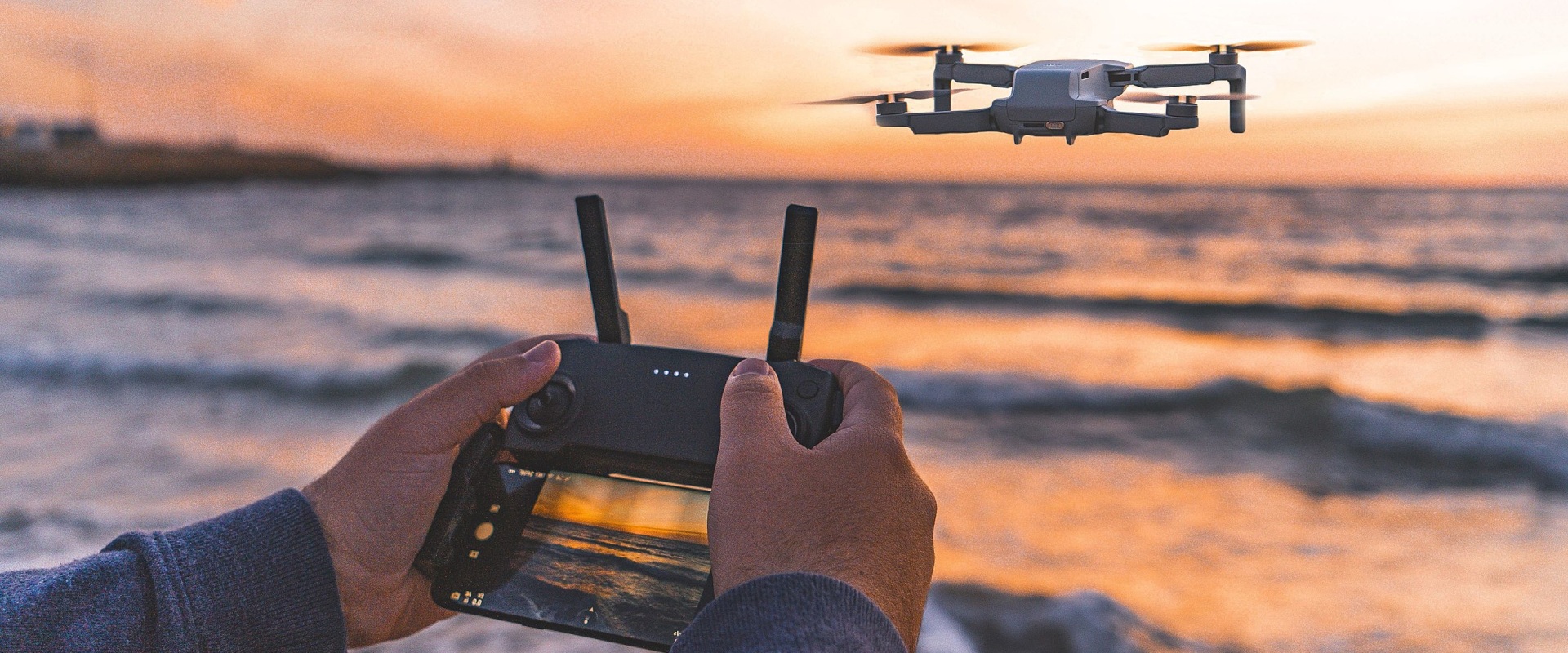
As an expert in the field of drone use, I have seen firsthand the rise in popularity of these flying devices. With their ability to capture stunning aerial footage and their potential for various commercial and recreational purposes, it's no wonder that drones have become increasingly popular in recent years. However, with this rise in popularity comes the need for regulations and restrictions to ensure the safe and responsible use of drones. In the United States, each state has its own set of laws and regulations regarding drone use, and St.
Leonard, Maryland is no exception.
State Laws in St. Leonard, Maryland
St. Leonard is a small town located in Calvert County, Maryland. As a part of the state of Maryland, the laws and regulations for drone use in St.Leonard fall under the jurisdiction of the Maryland Department of Transportation (MDOT). The MDOT has established specific guidelines for drone use within the state, which apply to all cities and towns, including St. Leonard. According to the MDOT, drones are considered aircraft and are subject to all federal aviation regulations. This means that any drone weighing more than 0.55 pounds must be registered with the Federal Aviation Administration (FAA) before it can be flown in St.
Leonard or anywhere else in the United States.
Restricted Airspace
One of the most important things to keep in mind when flying a drone in St. Leonard is restricted airspace. This refers to areas where drone flights are prohibited or restricted due to safety or security concerns. In St.Leonard, there are several restricted airspace areas that drone pilots must be aware of. The first is the restricted airspace around Naval Air Station Patuxent River, which is located just a few miles from St. Leonard. This area is designated as a "no-fly zone" for drones and other aircraft without prior authorization from the FAA. Violating this restricted airspace can result in serious consequences, including fines and even criminal charges. Another restricted airspace area in St.
Leonard is the Chesapeake Bay Test Range, which is used for military testing and training. This area is also off-limits to drones without prior authorization from the FAA.
Drone Registration
As mentioned earlier, all drones weighing more than 0.55 pounds must be registered with the FAA before they can be flown in St. Leonard or anywhere else in the United States. This registration process can be completed online through the FAA's website, and it costs $5 for a three-year registration. It's important to note that even if you are just flying a drone for recreational purposes, you still need to register it with the FAA.Failure to do so can result in penalties and fines.
Drone Operation Rules
In addition to registering your drone, there are also specific rules and regulations for operating a drone in St. These rules are put in place to ensure the safety of both the drone pilot and those around them. First and foremost, drones must always be flown within the pilot's line of sight. This means that you should always be able to see your drone while it is in flight. Additionally, drones cannot be flown higher than 400 feet above ground level, and they must always yield to other aircraft. It's also important to note that drones cannot be flown over people or moving vehicles, and they cannot be flown within five miles of an airport without prior authorization from air traffic control.Penalties for Violating State Laws
If you violate any of the state laws or regulations regarding drone use in St.Leonard, you could face serious consequences. The FAA has the authority to issue fines of up to $1,437 for each violation, and they can also pursue criminal charges in some cases. Additionally, if your drone causes damage to property or injures someone, you could be held liable for any resulting damages or injuries.
Staying Up-to-Date with State Laws
As with any laws and regulations, it's important to stay up-to-date with any changes or updates that may occur. The state laws for drone use in St. Leonard may change over time, so it's important to regularly check the MDOT's website for any updates. It's also a good idea to join local drone clubs or organizations in St.Leonard to stay informed about any changes or developments in the drone community. These groups can also provide valuable resources and support for drone pilots in the area.
In Conclusion
In summary, there are several state laws and regulations that drone pilots must adhere to when flying in St. Leonard, Maryland. These laws are put in place to ensure the safety of both the pilot and those around them, as well as to protect restricted airspace areas and comply with federal aviation regulations. If you are planning on flying a drone in St.Leonard, it's important to familiarize yourself with these laws and regulations and always fly responsibly. By doing so, you can enjoy the many benefits of drone use while also respecting the rules and regulations put in place to ensure safe and responsible operation.